BAJAU COMMUNITY COMPLEX
Overview
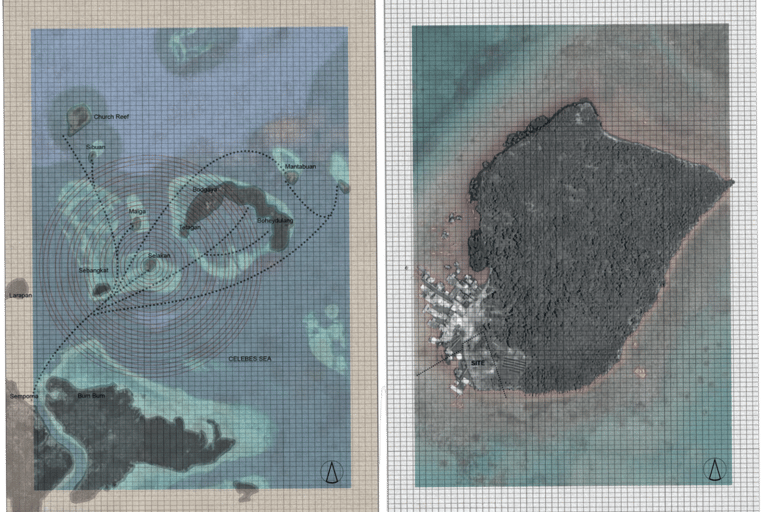
Bajau Community Complex is a community-focused proposal developed for Pulau Selakan, one of the inhabited islands within Tun Sakaran Marine Park, Sabah. The project responds to challenges faced by the local Bajau community, including limited educational opportunities, cultural erosion and economic vulnerability.
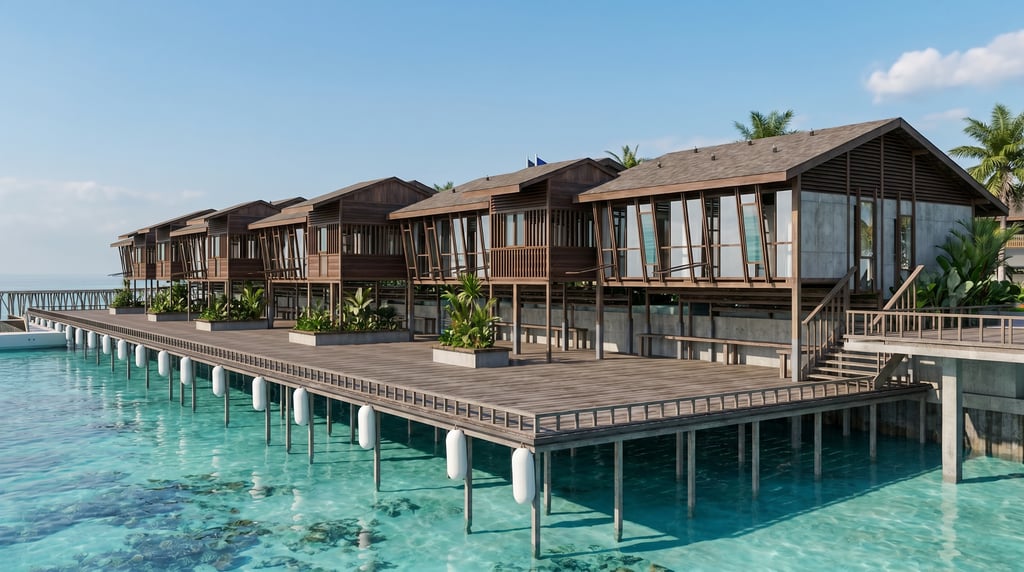
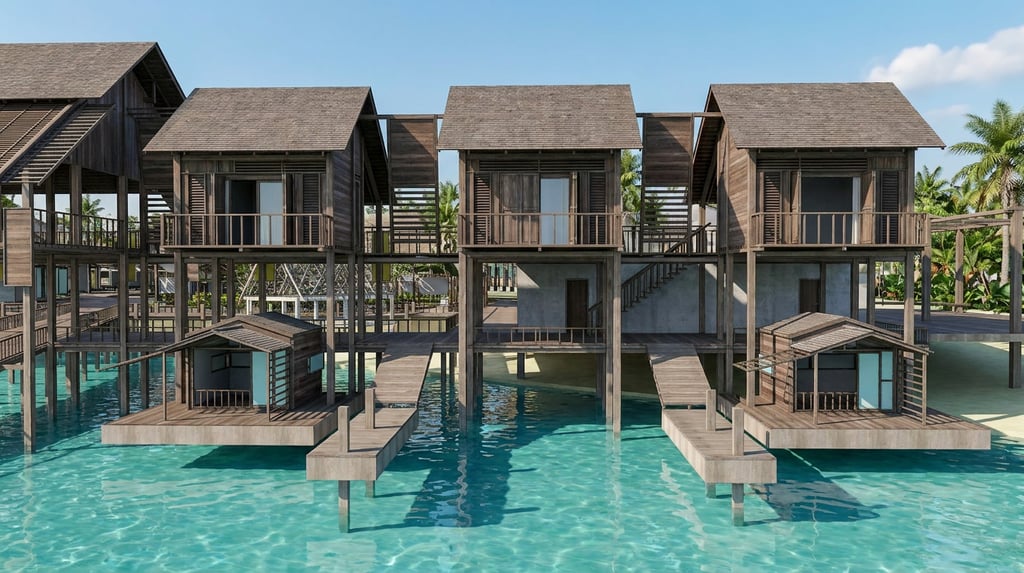
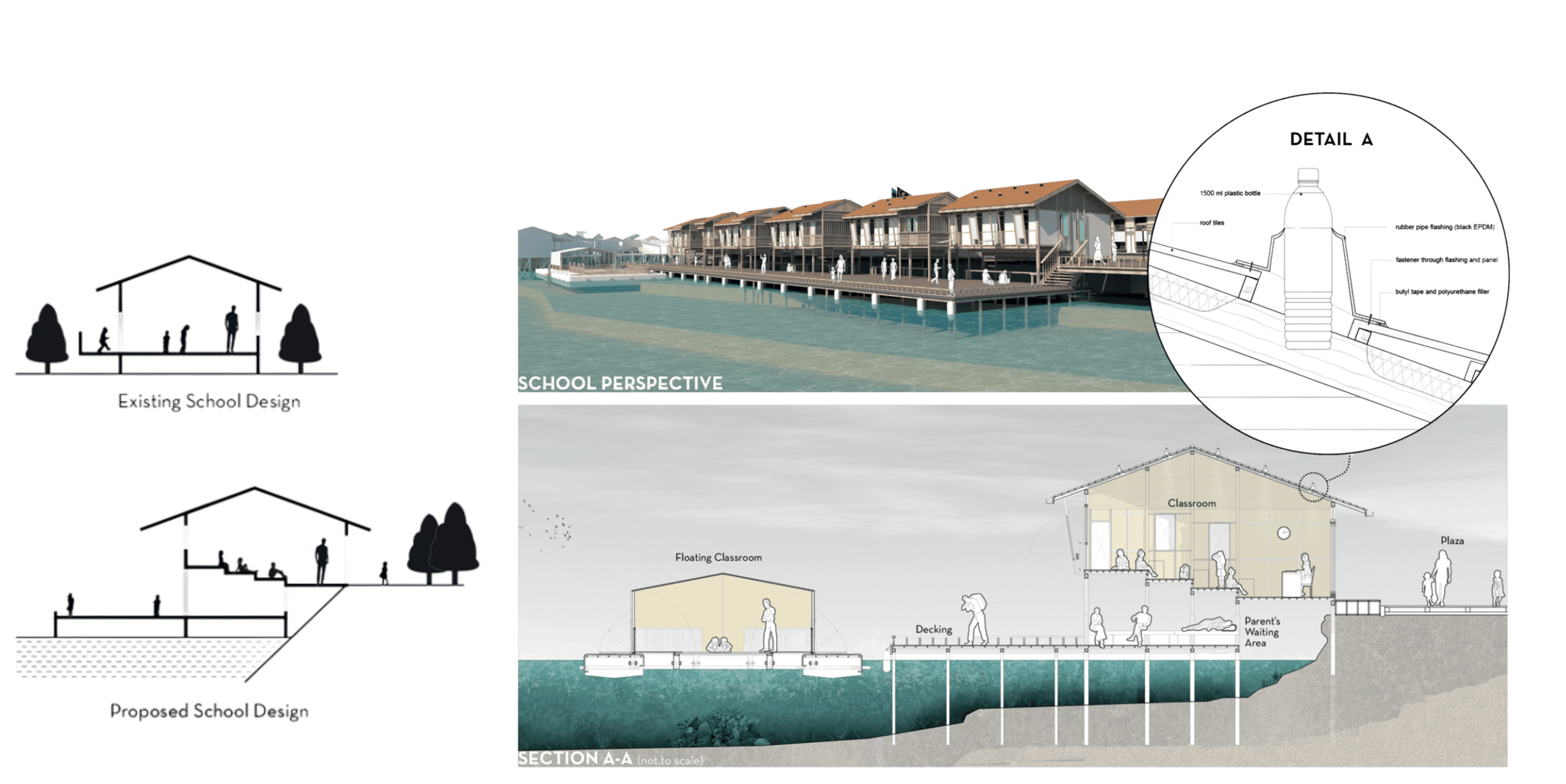
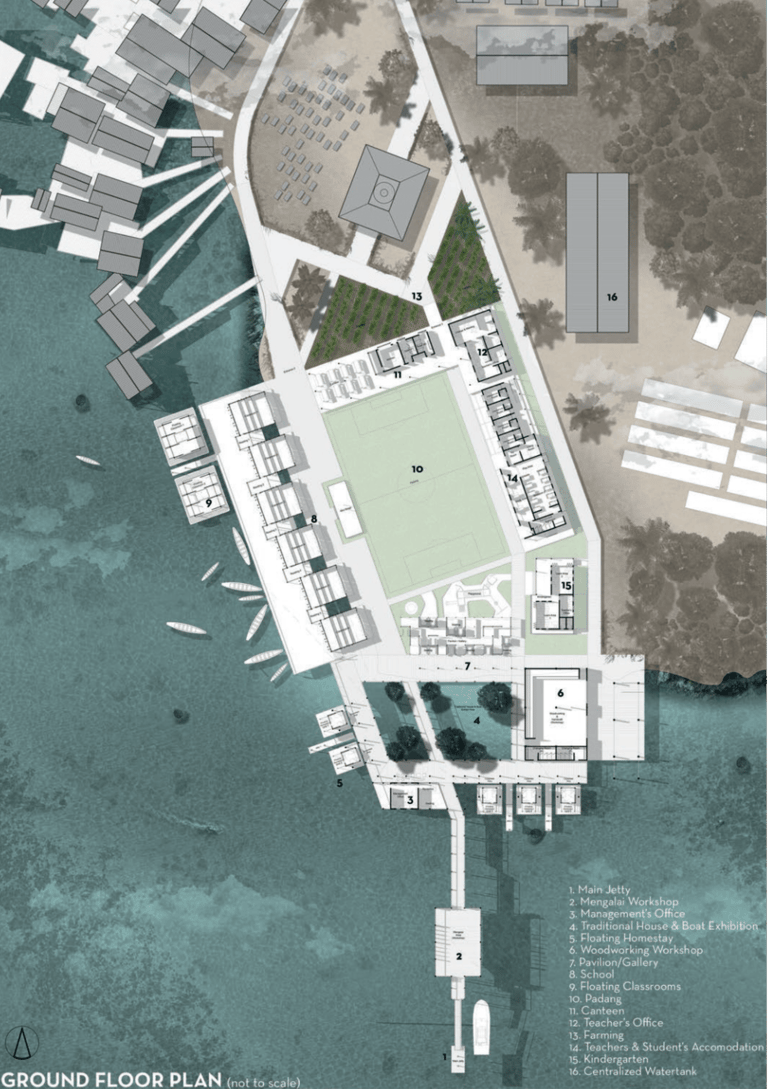
Rather than functioning as a single building, the proposal is conceived as an integrated community framework that combines education, cultural preservation and sustainable tourism. The complex brings together a school, floating classrooms, workshops, community facilities and homestay accommodation to create opportunities for learning, cultural exchange and long-term economic resilience.
Year: 2018
Type: Community & Educational Development
Location: Pulau Selakan, Semporna, Sabah
Status: Proposal
Role: Lead Designer
SOCIAL, EDUCATION AND COMMUNITY DEVELOPMENT
Design Approach
The design is rooted in an understanding of the Bajau way of life and the unique relationship between the community and the sea. Existing village circulation patterns, stilt-house typologies and daily social interactions informed the planning of the complex to ensure that the proposal feels like a natural extension of the settlement rather than an external intervention.
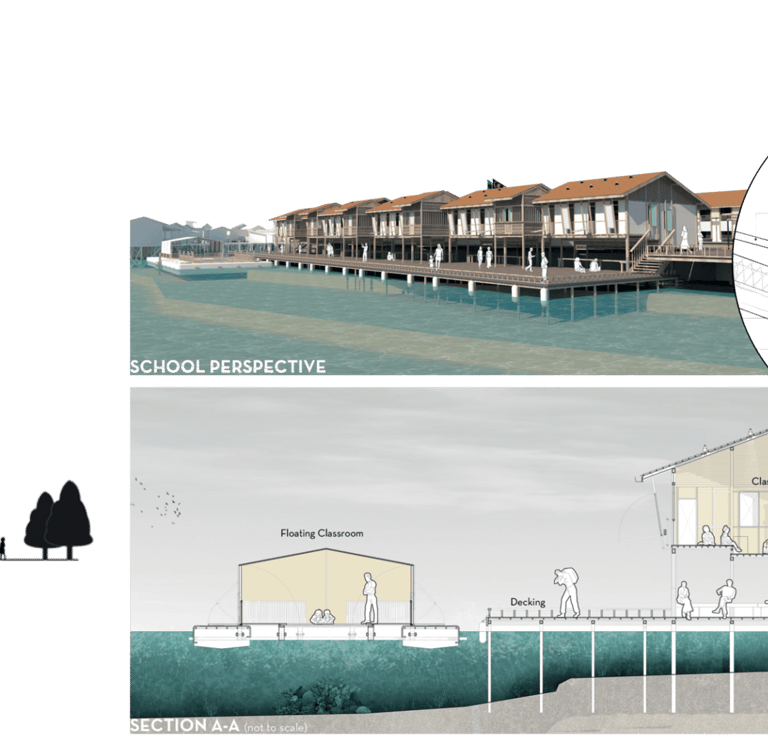
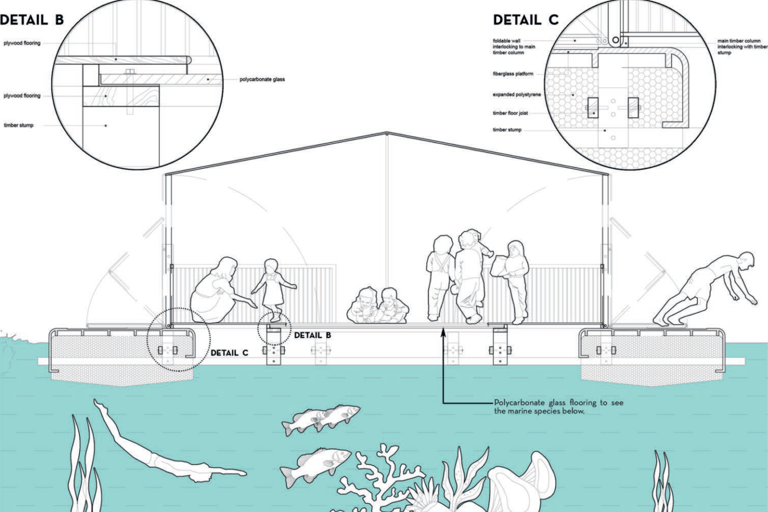
Educational spaces are designed to provide a safe, comfortable and inspiring environment for children, while also creating opportunities for visitors and volunteers to engage with the culture and traditions of the Bajau community. The introduction of floating classrooms extends learning beyond conventional boundaries and strengthens the connection between education and the marine environment.
Sustainability
The project embraces passive and low-impact design strategies suited to its coastal setting. Buildings maximise natural ventilation, utilise rainwater harvesting systems and are designed to complement existing renewable energy infrastructure on the island.
Timber construction and stilted structures were selected to reflect local building traditions while minimising disruption to the existing character of the village.
Outcome
The proposal explores how architecture can support social development while preserving cultural identity. By bringing together education, community engagement and sustainable economic activities, the project aims to create a model that can be adapted to other island communities facing similar challenges throughout the region.